This internet browser is outdated and does not support all features of this site. Please switch or upgrade to a different browser to display this site properly.

Energy research showcase

In June 2025, the Curtin Institute for Energy Transition and Curtin Research Partnerships hosted the inaugural Energy Research Showcase.  

From carbon accounting to critical minerals to community engagement, the event included a broad range of researchers working on the key aspects of the energy transition. The showcase highlighted our world-leading energy capabilities and how Curtin provides the expertise needed by industry and government to advance the energy transition.

This event will featured a series of short presentations from Curtin’s leading researchers. Individual presentations are linked to each researcher’s profile below.

9:25 am–10:10 am

Session 1: The future of fuel

This session will explore cutting-edge research shaping the future of low-carbon energy through advancements in green diesel, sustainable aviation fuel, and infrastructure resilience.
Researchers will present innovative methods for producing cleaner, more sustainable alternatives to traditional fossil fuels and enhancing the durability and safety of energy systems essential to the transition to cleaner fuels.
Together, these efforts represent a comprehensive approach to building a more sustainable and resilient energy future.

10:10 am–10:55 am

Session 2: Critical minerals for transition

Critical minerals are key for the production of the renewable energy technologies we need to get to net zero. Silica, lithium, cobalt, nickel and other minerals are necessary for the production of batteries, solar panels and more. Without these critical minerals, we will struggle to reach net zero. But how can we ensure that these minerals are used an extracted effectively and responsibly? In this session, researchers explore the role of critical minerals, how we use them and how to ensure that the extraction and ownership of critical minerals is fair.

11:25 am–12:25 pm

Session 3: Solving storage solutions

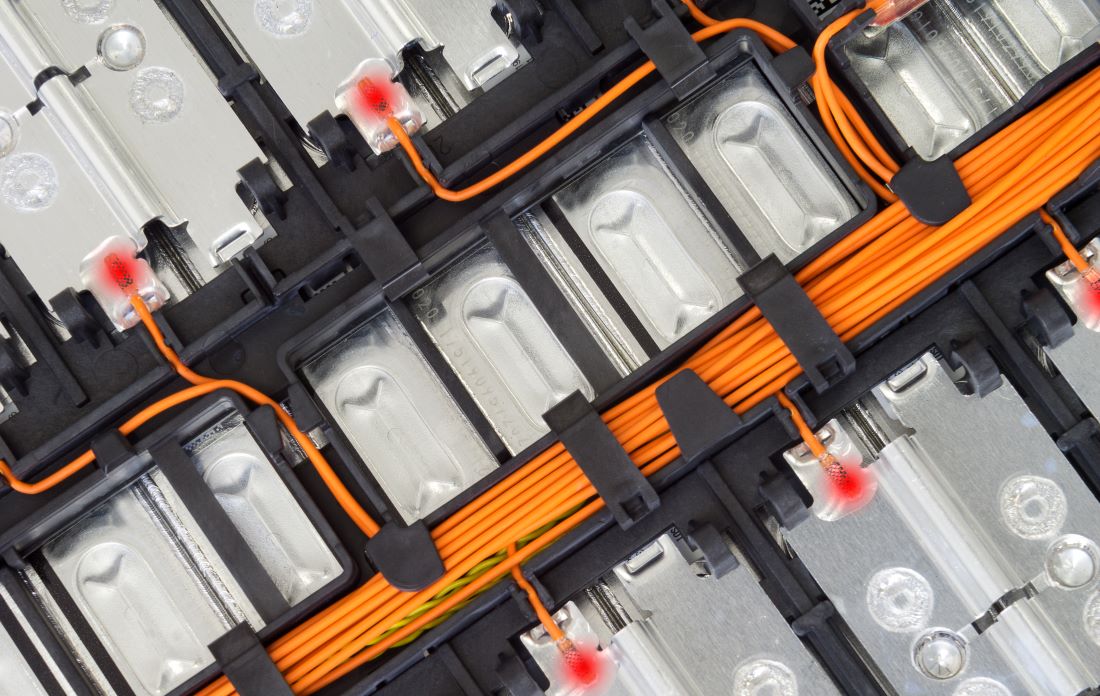
Generating clean energy is just one piece of the energy transition puzzle – the next step is working how to store energy effectively. Our researchers are investigating a range of energy storage options and exploring how to make them fit for purpose. In this session, researchers will explore and discuss options including batteries, fuel cells, solar cells, hydrogen storage materials (and hydrogen production), providing insights into the most efficient and effective ways to store the energy we need to ensure reliable supply.

12:20 pm–1:15 pm

Session 4: Using finance to catalyse transition

Fast and effective transition to net zero is critical – but how do we pay for it? In this session, researchers will explore the role of finance and funding for energy transition. From infrastructure costs to carbon markets and tech commercialisation to angel investors, financing plays a crucial role in making transition a reality and setting the pace of change.

2:00pm–2:45pm

Session 5: Governance, communities and the energy transition

Technology is only one part of the energy transition – for us to succeed, it is critical to work with the communities that will host renewable energy infrastructure. A truly successful transition must be equitable and consider the unique needs of individual communities. This session will focus on regional, remote and First Nations communities, with researchers sharing their findings about community needs and integrating them into decision making processes.

2:45 pm–3:30 pm

Session 6: Designing a sustainable future

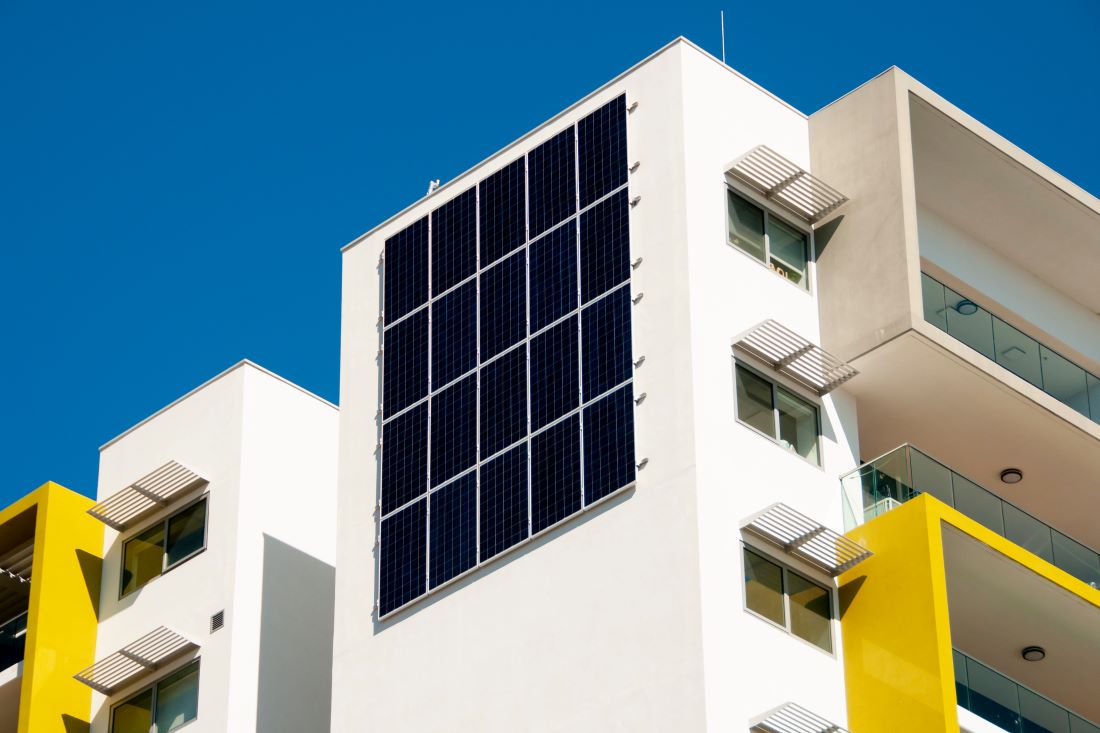
This session will explore cutting-edge research and practical strategies for designing sustainable urban futures, with a focus on achieving net zero outcomes at the precinct scale. Given that urban centres contribute significantly to global greenhouse gas emissions, they offer an ideal scale for testing and implementing innovative solutions such as solar PV, battery storage, electric vehicles, and integrated governance models. Effective planning and factoring in decommissioning of infrastructure is also key to ensure that a sustainable future is designed with a circular economy in mind.