
Australia-Japan Network for Energy Transition and Critical Materials (AJN-ET&CM) intends to bring together Australia and Japan’s leading experts, industry, and researchers to share and discuss the challenges and opportunities facing the energy transitions and critical resources required, and explore future areas of research and industry collaboration. The Network will increase awareness and encourage Australian and Japanese researchers/companies to participate in joint investments, funded projects and exchange programs, and establish long lasting professional relationships with globally recognized organisations.
Our people
Curtin University
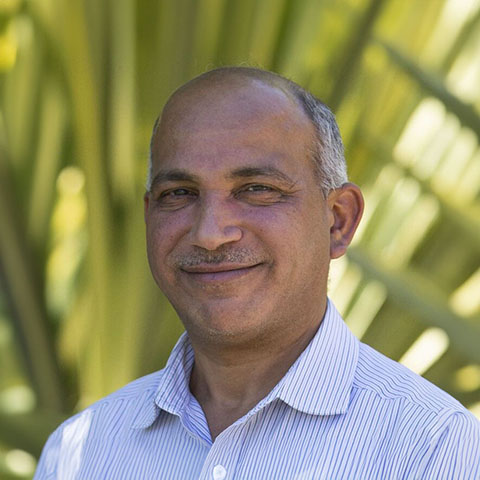
Dr. Hussein Znad is an Associate Professor in Chemical Engineering in the Western Australia School of Mine: Minerals, Energy and Chemical Engineering (WASM:MECE) at Curtin University, Australia. He is the founder and chair of the Australia-Japan Network for Energy Transition and Critical Materials (AJN-ET&CM), and fellow of Royal Society of Chemistry (FRSC). He is also a visiting Professor at Fukuoka University in Japan, and Executive Committee member and Western Australia representative for Japan Society for the Promotion of Science Alumni Association in Australia (JSPSAAA).His research interest focus on resources recovery, bio-hydrogen and biodiesel production, microalgae and algal environmental applications, and the development of catalytic, photocatalytic, and biocatalytic processes for wastewater treatment, CO2 mitigation, biomass, and biofuel production.
University of Hyogo
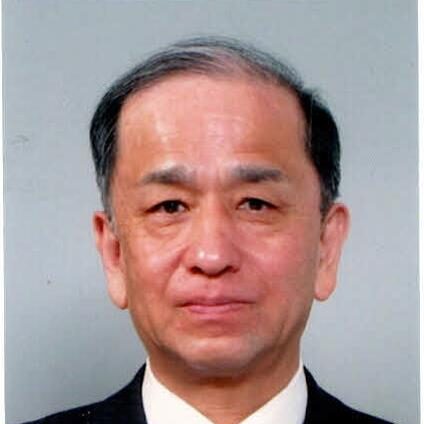
Dr Mikio Ouchi is currently visiting professor at Fukuoka University, and also Emeritus Professor at University of Hyogo. His research interest was extraction of metal based on synthetic organic chemistry and host-guest chemistry in 1987-2009. For undergraduate students education, he established new classes of English for engineers and scientists related to global science education at University of Hyogo in 2010-2021. He was the organizer of our network activities in Fukuoka and Perth in 2023.
Waseda University
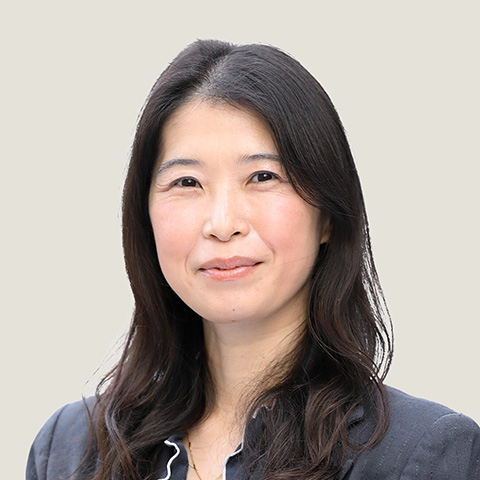
Dr. Chiharu Tokoro is a Professor at the Faculty of Science and Engineering (Waseda University), and the Graduate School of Engineering (The University of Tokyo). Her research interests are mineral processing, chemical engineering, and powder processing for waste treatment and recycling. She is the author of 10 books, over 105 articles, and more than 16 inventions. She is Council member of Science Council of Japan, Ministry of Economy, Trade and Industry, and Ministry of Environment.
Tohoku University
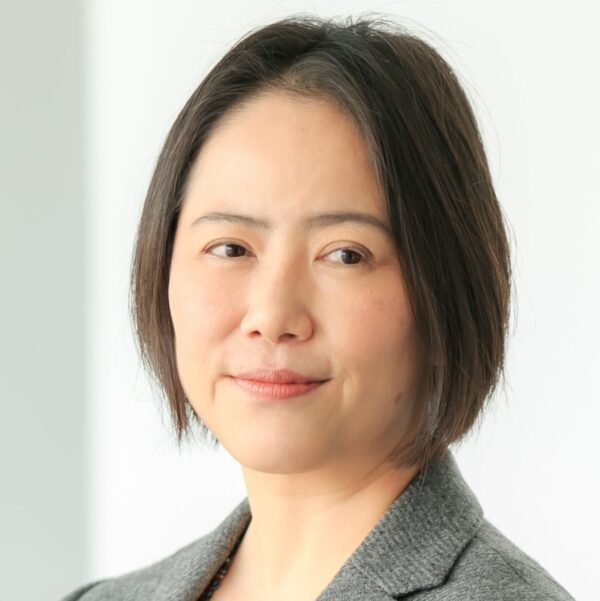
Professor Matsubae is a professor of Environmental and Energy Economics in the Graduate School of Environmental Studies at Tohoku University in Japan. Her current interest is the identification of supply chain risks through resource consumption from a life cycle perspective. She is a board member of the Institute of Life Cycle Assessment, Japan (ILCAJ), serves on the scientific committee of the Phosphorus Recycling Promotion Council of Japan (PRPCJ) and is an Expert Adviser of the Waste and Recycling Subcommittee under the Industrial Structure Council for the Ministry of Economy, Trade and Industry, Japan.
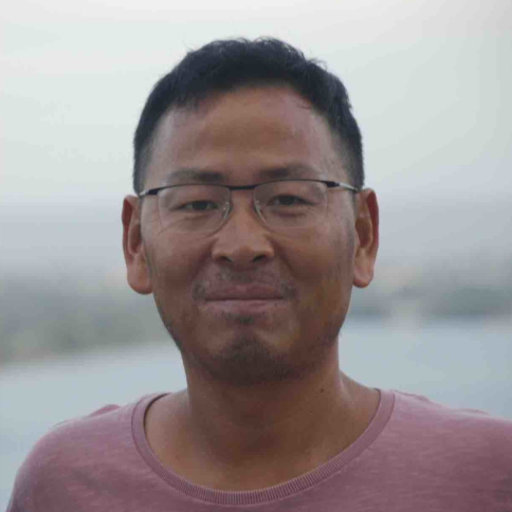
Curtin University
Dr. Zongping Shao is a John Curtin Distinguished Professor at WASM, Curtin University, his researches focus on electrochemical energy storage and conversion, including solar cells, batteries, fuel cells and water splitting. He is Clarivate highly cited researcher since 2014, and at both fields of Chemistry and Materials Science for 2023.
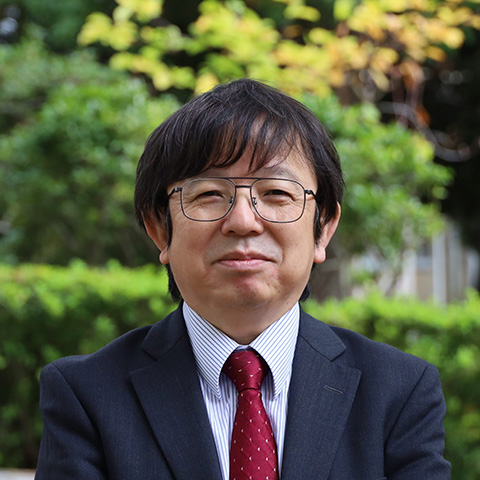
Fukuoka University
Dr. Kubota is a Professor at Fukuoka University, his researches focus on catalysis and powder engineering for future energy technologies and chemical industries. His Current projects include; Non-Pt cathode catalysts for polymer electrolyte fuel cells (PEFC); In-situ analysis of electrocatalysts of solid oxide fuel cells (SOFC); Synthesis of ammonia using electrochemical methods; and Rheological Characteristics of Fine Particles
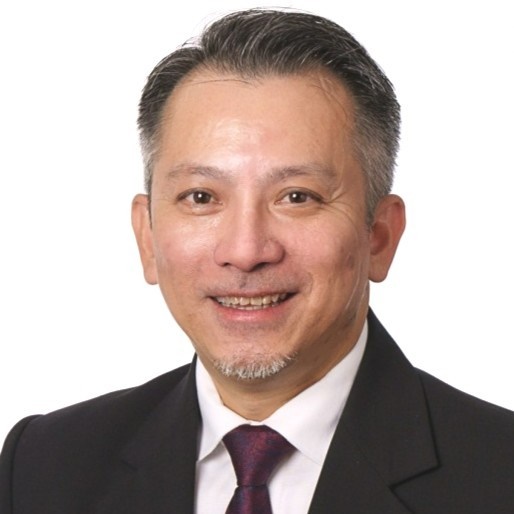
Curtin University
As a professor of practice at Curtin University, Professor Tang shares his extensive engineering and management experience in critical minerals with students and researchers. He is a fellow and chartered professional member of the Australian Institute of Mining and Metallurgy (FAusIMM-CP), and a member of Australian Institute of Company Directors (MAICD). He is passionate about developing innovative and sustainable solutions for critical minerals and energy challenges and facilitating industry-academia collaboration and knowledge transfer. Professor Tang serves as the chairman of AusIMM Perth Branch, where he advocates for the professional development and recognition of the minerals sector in Western Australia.
Waseda University
Dr. Keiko Sasaki is an Emeritus Professor at Kyushu University and a Professor at the Faculty of Science and Engineering, Waseda University. Her research interests are mineral processing, biohydrometallugy, and chemical engineering for environmental materials. She is the author of 12 books, over 408 articles, and more than 17 inventions. She is a council member of Science Council of Japan, Ministry of Economy, Trade and Industry, and Ministry of Environment.
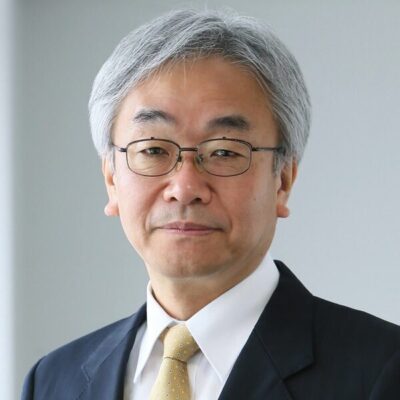
Tohoku University
Professor Kawada is currently Professor of the Graduate School of Environmental Studies at Tohoku University, Japan. He graduated the master’s program of the Graduate School of Engineering, the University of Tokyo in 1986, and joined National Chemical Laboratory for Industry of Agency of Industrial Science and Technology (AIST), Ministry of International Trade and Industry (MITI). He summarized his achievements in his thesis “Research on Planar Solid Oxide Fuel Cell Materials” and received his Ph.D. (Engineering) from the University of Tokyo. In 1995, he moved to Research Institute of Scientific Measurements, Tohoku University, as an associate professor, and in 2006, he was appointed as a professor at Graduate School of Environmental Studies, Tohoku University. Since 2009, he has been participating in National Project on solid oxide fuel cells as the principal researcher of Tohoku University group. He currently serves as the president of the SOFC Society of Japan (2022-)
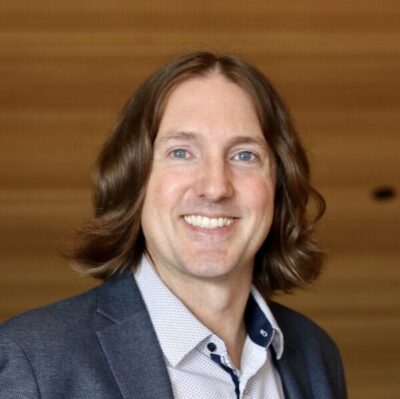
Curtin University
Andy has combined his experience in mining engineering, non-profit leadership and university partnerships to become a leading advocate for collaborative research projects that can help solve humanity’s greatest challenges. Andy understands the challenges but also sees the opportunities in accessing and processing the critical minerals from which we will build a sustainable future. The energy transition is of utmost, immediate importance and will only be successful through strong, strategic partnerships between research, industry and government. The links in this space between Australia and Japan are clear and Andy is exciting to be supporting the network.
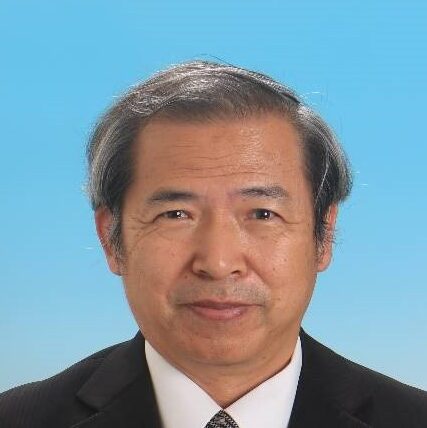
Fukuoka University
Prof. Mishima is the Head of Composite Materials Research Center at Fukuoka University (2012-2024). His previous leadership positions at Fukuoka University includes; Director of Center for International Programs; Director of School of Japanese Language and Culture for International Students; Head of Chemical Engineering Department. His expertise lies in development and design of novel environmentally benign equipment as Chemical Engineering with a particular emphasis in applying these to industrial-scale production. His research focus on fluorinated resin coating of inorganic micro-particles using supercritical carbon dioxide in collaboration with Kao Corporation. He has been awarded more than 20 other scientific research grants from Japan’s Ministry of Education, Culture, Sports, Science and Technology. Hi has made over 300 scholarly contributions, including nearly 280 peer-reviewed research papers, and 20 books. He is an honorable member of the Editorial Advisory Board of Asia-Pacific Journal of Chemical Engineering, APJ.
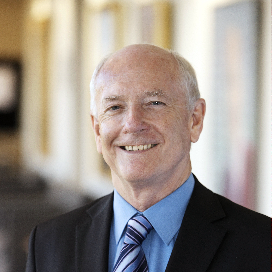
Curtin University
Dr Brian Evans is a John Curtin Distinguished Emeritus Professor of WASM, Curtin University. His past research as Head of Exploration Geophysics and Petroleum Engineering was in imaging stored CO2 for quantification purposes as Science Lead in the National CO2CRC Research Program. As Head of the Department of Petroleum Engineering he was also Lead research engineer in drilling, rock mechanics and fracture assessment automated technologies for the National MinEX CRC Research Program. Author of three books and over 200 journal publications, he holds 5 patents having held positions as Director of both private exploration companies and government research agencies. He received the 2006 Society of Exploration Geophysics International Distinguished Achievement Award for work with Kyoto University and the Society of Petroleum Engineering 2013 International Faculty Award. His present interests include exploration for natural hydrogen, modifying robotic fish for ecological purposes and research towards establishing a new wind-farm offshore Bunbury, Australia
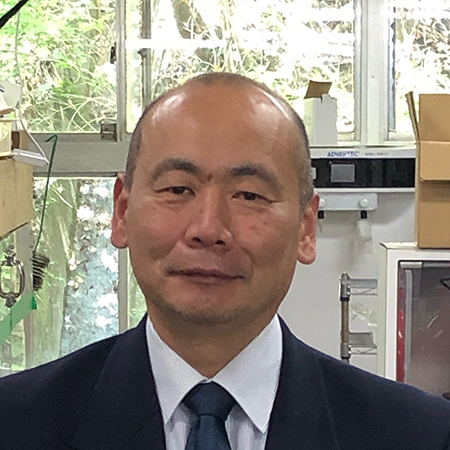
University of Hyogo
Seigo Ito received his Ph.D. from the University of Tokyo (Japan) at 2000, with a thesis that was the first to discuss Grätzel-type dye-sensitized solar cells in Japan. He worked in the Laboratory of Professor Shozo Yanagida (Osaka University, Japan) for two years, and in the Laboratory of Professor Michael Grätzel, at the Swiss federal Institute of Technology (EPFL) in Lausanne as a postdoctoral scientist for over three years, where his efforts focused on the progress of high-efficiency dye-sensitized solar cells. After his working in a Japanese industrial company (KYOCERA), he shifted to University of Hyogo as an Associate Professor. He is currently full professor at University of Hyogo from 2017, making new printable cost-effective solar cells (perovskite solar cells) and new catalysts for the hydrogen-fuel cells.
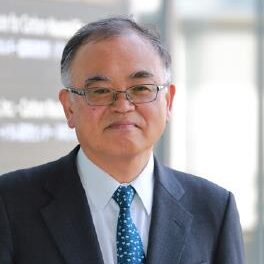
Kyushu University
Prof. Ishihara is the director of Institute for Carbon Neutral Energy Research (I2CNER) at Kyushu University. His main interest in research is Inorganic Materials Sciences, in particular, Material Development concerning with solid state ionics materials and environmental catalyst. He received several awards from society and also publishers, such as, Young Researcher Award from Japan Chemical Society (1995),, at Award from Ministry of Education, Culture, Sports, Science, and Technology (2006), Award from Catalyst Society of Japan, 2022 (Academic area).
Nagasaki University
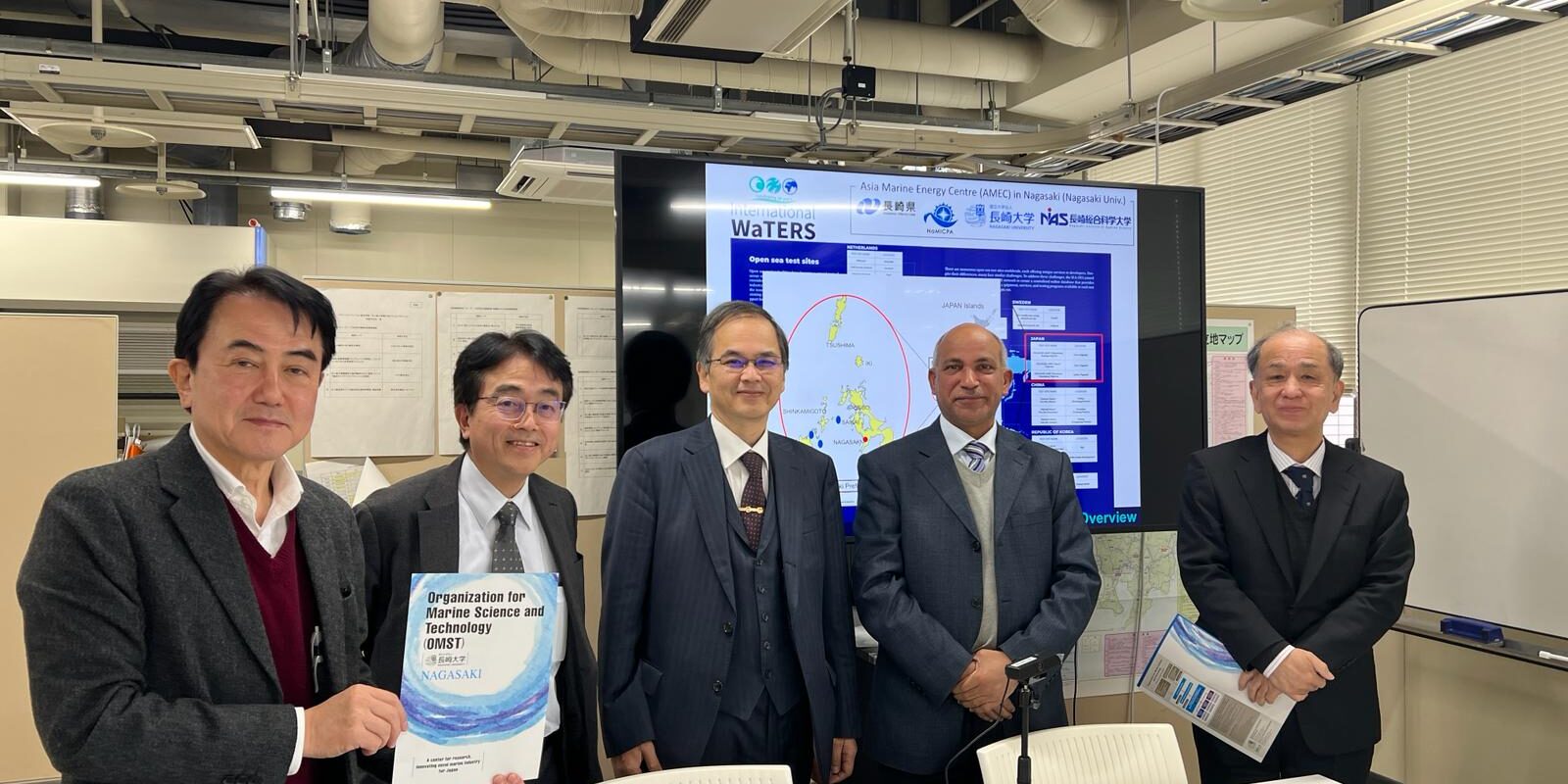
Dr. Yamamoto is Professor of the Graduate School and Director of Division of Marine Energy Utilisation, Organization for Marine Science and Technology, Vice President at Nagasaki University in Japan. His areas of work include the development of Autonomous Underwater Vehicle (Leader of AUV “Urashima”, which established the world record autonomous cruising in February 2005), Remotely Operated Vehicle (Champion in underwater vehicle competition of Techno ocean world convention in 2012 and Okinawa offshore robotics contest from 2014 to 2023; “Kaiko”, 10000m deep cruising in 1995), Robotic fish (the first life-like sea bream robotic fish was created in 1995, followed by dolphin, shark ray ,coelacanth, carp, etc.). Project Leader, Consortium for Offshore Wind Higher Education Led by Nagasaki University with 4 universities and 6 energy companies, Japan.
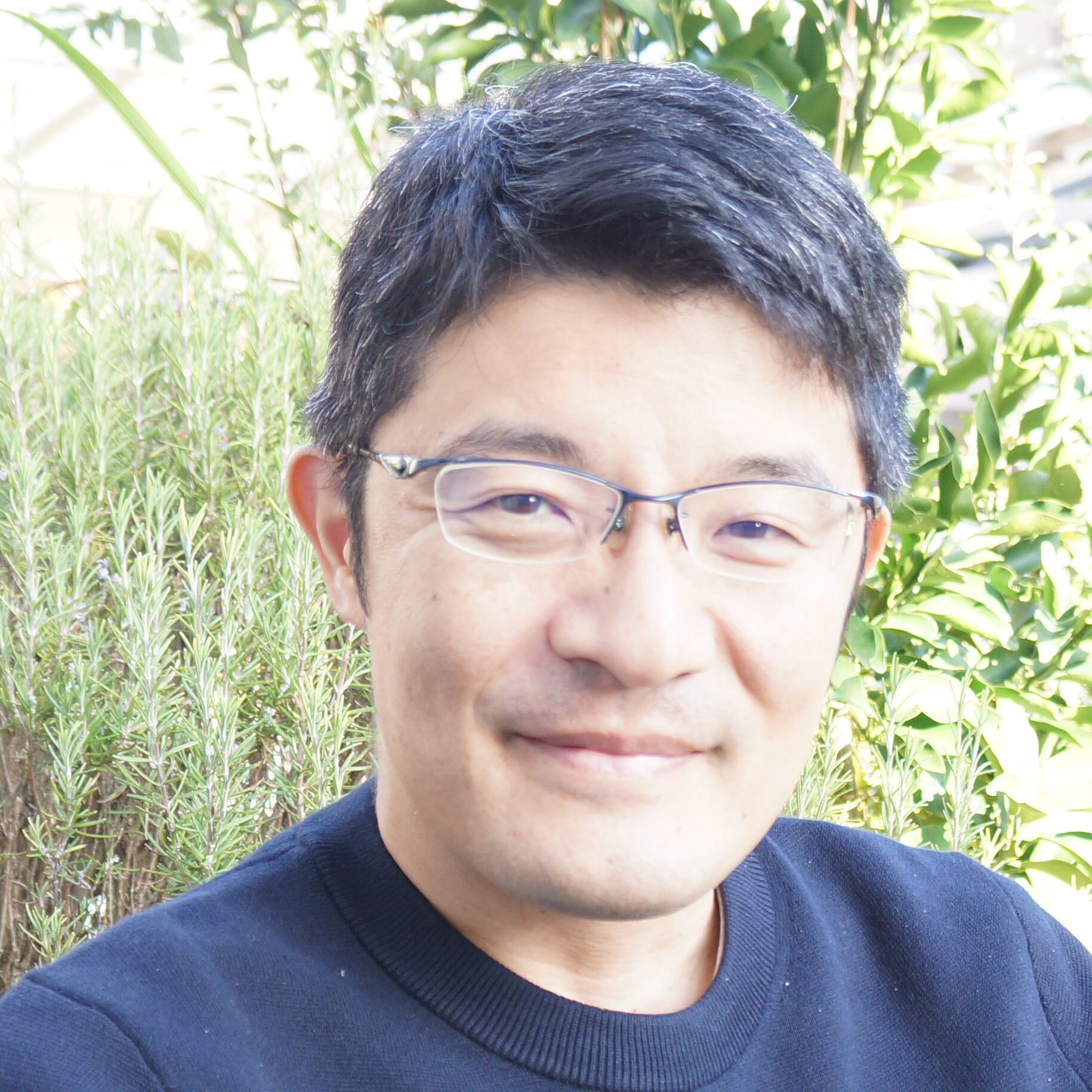
The University of Tokyo
Dr. Takeshi Tsuji is a Professor at the Graduate School of Engineering in the University of Tokyo. He is interested in visualizing Earth’s internal structure, monitoring dynamic processes such as earthquakes and volcanoes, and exploring extraterrestrial bodies like the Moon and Mars. Simultaneously, driven by a sense of responsibility for the global environment, he is researching Carbon Capture and Storage (CCS) and geothermal energy. He is the author of >200 articles and received awards from the American Geophysical Union (AGU), International Union of Geodesy and Geophysics (IUGG), Seismological Society of Japan (SSJ), and Geological Society of Japan (GSJ). He also earned the Young Scientists’ Prize from Japan’s Ministry of Education (MEXT) and the Western Japan Cultural Award.
Network consortia
AJN-ET&CM consists of several relevant consortia. Activities of each consortium will include:
– Collaborative research work related to the consortium activities, including joint funding, PhD scholarships, and publications
– Engagement with relevant industry and government organizations
– Offer specialized and professional short course for Japanese and Australian end-users
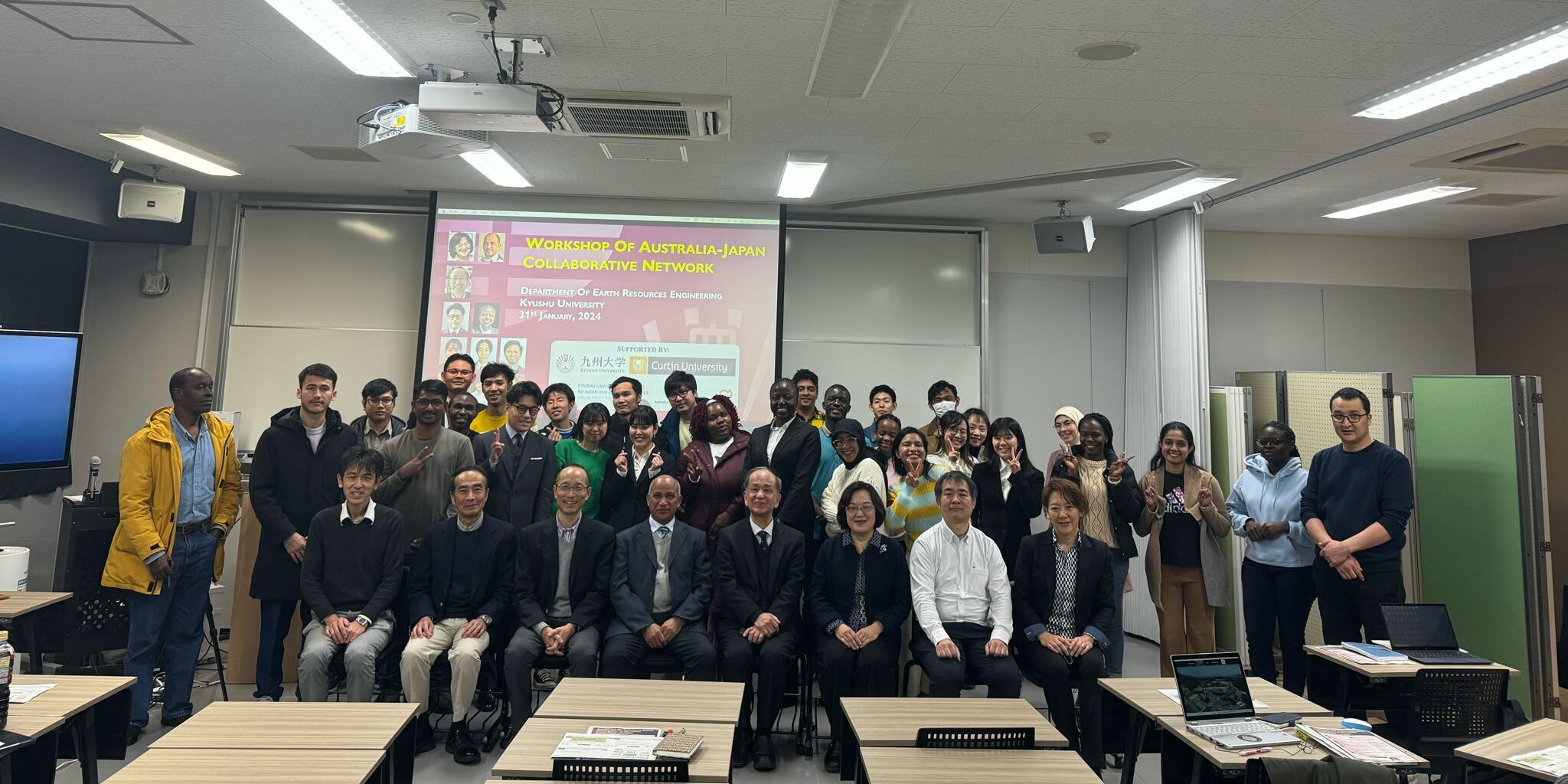
– Organize two specialized seminars/workshops per year, in Australia and Japan


Our partners




News and events
Contact us
The Network welcome new partners from both Japan and Australia for positive and strong impact on Energy Transition and Critical Materials
Contact: Associate Professor Hussein Znad
Phone: +61 8 9266 9893
Email: h.znad@curtin.edu.au